
Designing a landed home in Singapore is a dream for many. With more space, greater flexibility, and the chance to truly customise your property, landed houses offer opportunities that condos and HDB flats can’t always match. But with that freedom comes a new set of challenges. Unlike compact apartments, a landed property demands careful consideration of proportions, functionality, and lifestyle needs. Without the right approach, even the most spacious home can feel disjointed or underwhelming.
If you’re embarking on a landed property renovation, it helps to understand the hurdles before diving in. Here are the top challenges in landed house interior design in Singapore—and practical solutions to overcome them.
Challenge 1: Managing Space and Scale
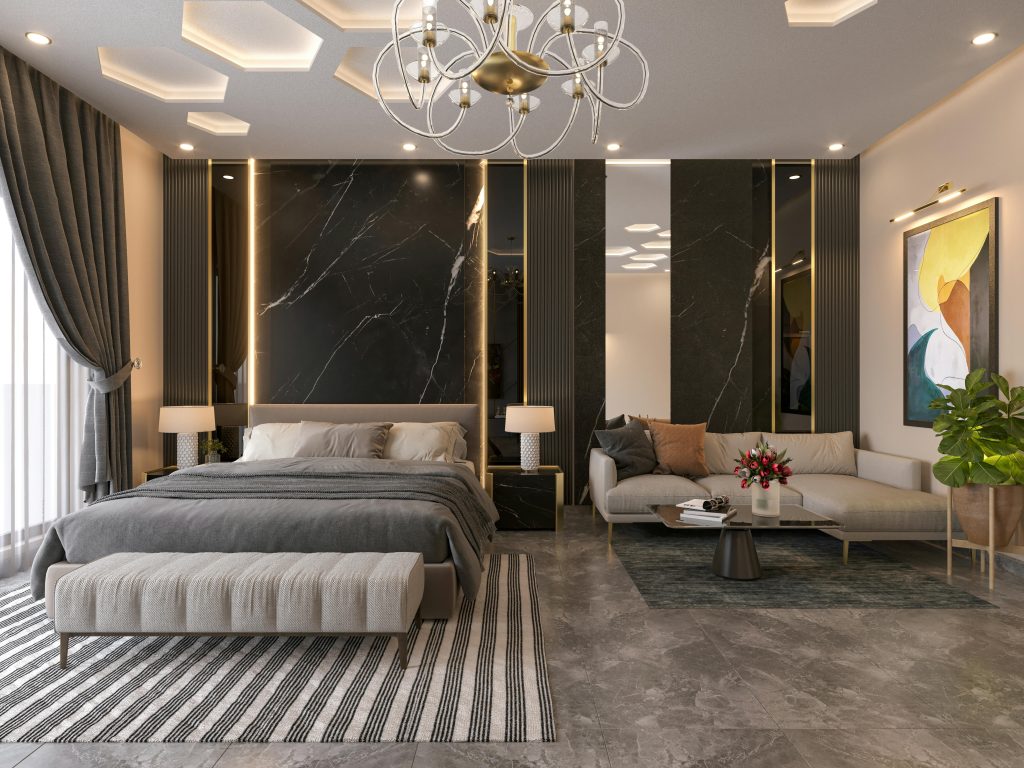
Landed homes often come with generous square footage, but bigger isn’t always easier. Poorly planned layouts can make large spaces feel empty, cold, or awkward. A living room that’s too vast may lack warmth, while a sprawling master bedroom might feel disconnected.
The Solution: Start with zoning. Divide larger rooms into functional areas without relying solely on walls. For instance, you can use furniture placement, rugs, or lighting to create distinct zones for dining, lounging, or entertaining. Incorporating statement pieces—like a large chandelier or an oversized artwork—also helps anchor expansive spaces. A professional interior designer can ensure every corner feels purposeful and cohesive.
Challenge 2: Balancing Aesthetics with Functionality
With more space to play with, it’s tempting to focus heavily on aesthetics—luxurious finishes, bold furniture, and dramatic lighting. However, function must remain at the core of landed property interior design in Singapore. For example, grand staircases look impressive but can eat into practical living space. Similarly, open layouts may sacrifice privacy if not carefully planned.
The Solution: Adopt a lifestyle-first approach. Think about how your family uses the home daily. Do you host large gatherings? Do you need private study rooms or kid-friendly areas? A good designer will integrate functional requirements seamlessly into the aesthetic plan, ensuring beauty never comes at the expense of liveability.
Challenge 3: Creating Flow Across Multiple Levels
Many landed houses in Singapore are multi-storey properties. While this provides plenty of room, it can also create challenges in maintaining a sense of flow and connection between levels. Without thoughtful design, one floor can feel disconnected from the rest of the home.
The Solution: Use consistent design elements across floors. A recurring colour palette, flooring material, or lighting style helps tie the house together. Staircases, too, can become design features that create visual continuity rather than just functional passageways. Additionally, consider how each level serves your lifestyle—for instance, dedicating one floor for communal activities and another for private retreats.
Challenge 4: Integrating Indoor and Outdoor Spaces
One of the most exciting aspects of Singapore’s landed house design is the ability to connect with outdoor areas—gardens, patios, balconies, or even courtyards. The challenge lies in blending indoor and outdoor living without losing comfort or privacy.
The Solution: Incorporate large sliding or folding glass doors to merge interiors with exteriors seamlessly. Choose weather-resistant materials that transition well between both spaces. Landscaping also plays a crucial role; greenery softens hard edges and creates a natural extension of the home. When done right, indoor-outdoor integration can make your property feel expansive and inviting.
Challenge 5: Lighting Large and Varied Spaces
Unlike smaller flats where lighting is relatively straightforward, landed homes come with a variety of spaces—high-ceilinged living rooms, long corridors, and expansive kitchens—that require different lighting strategies. Poorly planned lighting can leave some areas too dim and others glaringly bright.
The Solution: Layered lighting is key. Combine ambient lighting (general illumination) with task lighting (focused areas like kitchens or study rooms) and accent lighting (to highlight features). Natural light should also be maximised, whether through skylights, large windows, or glass panels. Smart lighting systems are particularly useful in larger homes, allowing you to adjust settings for different moods or functions.
Challenge 6: Managing Privacy in Large Homes
Landed properties often have larger windows and open layouts, which can sometimes compromise privacy—especially in tightly packed neighbourhoods. Without careful planning, you may end up with beautiful views inside, but equally open views from the outside.
The Solution: Use a mix of design strategies to preserve privacy while keeping spaces open. Sheer curtains, frosted glass, or thoughtfully placed screens can block views without shutting out light. Landscaping can also serve as a natural privacy barrier—tall hedges or vertical gardens add both greenery and seclusion.
Challenge 7: Balancing Modern Luxury with Timelessness
Trends come and go, but a landed property is a long-term investment. Choosing designs that feel stylish today but dated tomorrow is a common pitfall.
The Solution: Aim for a timeless base with adaptable accents. Neutral palettes, natural materials, and classic layouts form a solid foundation. Then, introduce personality with accent walls, furniture, or décor that can be updated over time. This ensures your landed interior design in Singapore remains relevant and elegant for years to come.
Challenge 8: Budgeting for Larger-Scale Renovations
Renovating a landed property typically costs more than an HDB or condo. Larger areas mean higher expenses for flooring, lighting, carpentry, and furnishings. Without careful budgeting, costs can spiral quickly.
The Solution: Prioritise. Decide which areas deserve the most investment—often communal spaces like the living room or kitchen—and allocate budgets accordingly. Work with an interior designer who provides transparent quotations and helps you balance quality with affordability. Smart planning ensures you get the most value out of every dollar spent.
Why Professional Guidance Matters
While it may be tempting to handle renovations on your own, landed house projects are complex and require expert input. From structural considerations to design cohesion across multiple levels, professional designers bring both creativity and technical know-how. They can foresee potential pitfalls, suggest innovative solutions, and ensure compliance with building guidelines.
Working with an experienced team means you don’t just get a visually stunning home—you also gain peace of mind knowing your landed property is designed for long-term comfort and functionality.
Bring Your Landed Home Vision to Life with Insight Owl
Designing a landed house in Singapore is an exciting opportunity to create a home that’s truly your own. But it’s not without challenges. From managing scale to balancing privacy, every decision matters. By anticipating these hurdles and working with skilled professionals, you can turn potential obstacles into opportunities for creativity.
Ultimately, the best landed interior design in Singapore is about more than just aesthetics. It’s about creating a home that feels harmonious, practical, and timeless—a place where your family can thrive for generations. With Insight Owl, you’ll have expert guidance every step of the way to achieve a home that’s both stunning and functional.

